Small-business website design that works as hard as it looks.
Good design is not decoration — it is how a stranger decides, in seconds, that your business is credible. We design websites around that decision: clear message, obvious next step, and a look your customers trust.
Every design starts with your content and your customer, not a template. We define what each page must communicate, design mobile-first, and keep the interface honest: real photography and real product where possible, restraint everywhere else.
Design here is never separated from performance. What we design is what ships — fast, accessible (WCAG AA contrast, keyboard navigation), and consistent across phones, tablets and desktops.
What design includes
- ●UX strategy: structure, message hierarchy and calls to action
- ●Custom UI design — no purchased themes
- ●Mobile-first responsive layouts
- ●Accessibility: contrast, keyboard and screen-reader basics
- ●Design implemented in production code, not just files
- ●Right-to-left design for Hebrew and Arabic when your market needs it
Who this is for
Most of our design work falls into three situations. A business launching its first serious website and tired of DIY builders that look like everyone else's. A business whose current site is five-plus years old, slow on phones and quietly embarrassing in front of customers. And businesses expanding into a new market — often a new language — whose site was never designed for it.
What they have in common: the website has one job — making a stranger trust you enough to get in touch — and the design either does that job or it doesn't.
How a design project actually runs
We start with your content, not with colors. Before anything visual exists, we agree on what each page must say, to whom, and what the visitor should do next — that structure survives every aesthetic decision that follows. Then we design the key pages mobile-first, review them with you on a private link, and only then build out the full set.
Design and build are one continuous process here, not a handoff between two teams. What you approve in the design review is what ships: same spacing, same type, same speed budget. That is also why our portfolio pieces look like their approved designs — there was no translation loss between designer and developer.
- ●Content and message hierarchy agreed before any visuals
- ●Key screens designed mobile-first, reviewed with you
- ●Real accessibility: AA contrast, keyboard navigation, focus states
- ●Design tokens (type, spacing, color) so future pages stay consistent
- ●Performance budget enforced during design, not patched after
Redesigns without losing what already works
A redesign done carelessly can destroy the search visibility a site accumulated for years. Our redesigns start with an inventory of what currently ranks and which URLs earn traffic; anything that moves gets a permanent redirect, titles and content that work are preserved or improved rather than replaced, and the launch checklist verifies every old URL still lands somewhere sensible. The visual refresh is the visible part — the redirect map is the professional part.
Start with a design that sells.
Start my websiteDesign you can visit
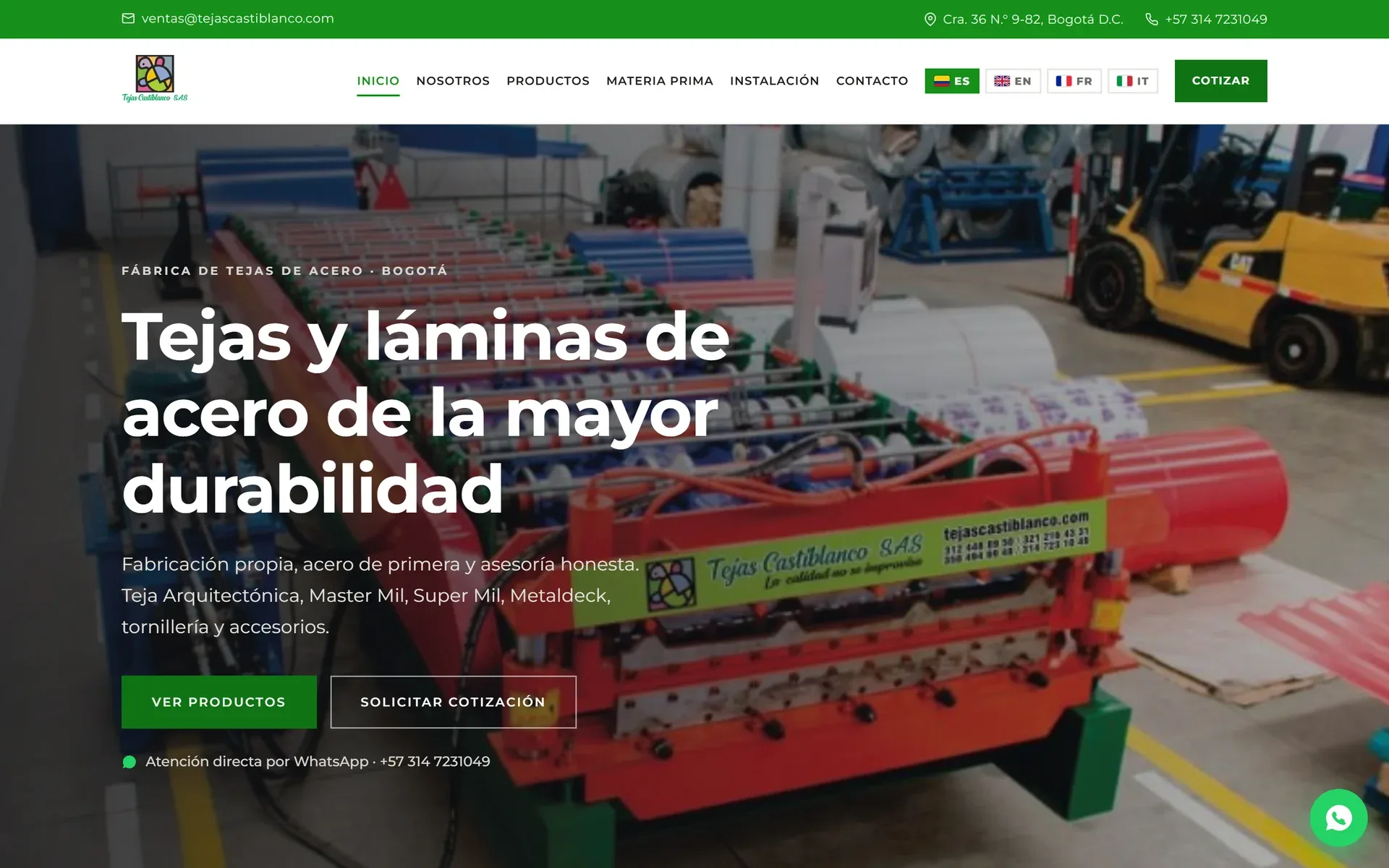
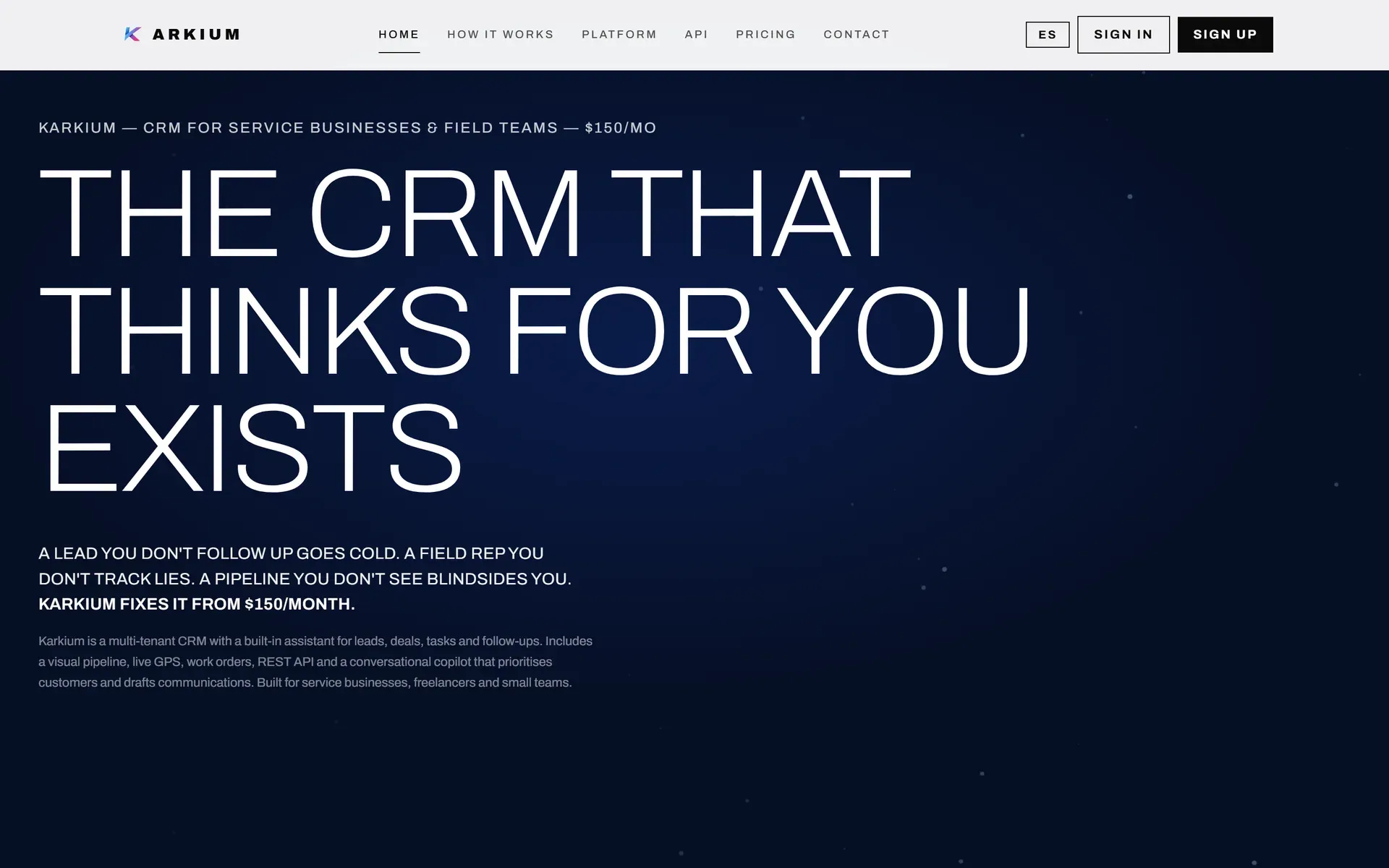
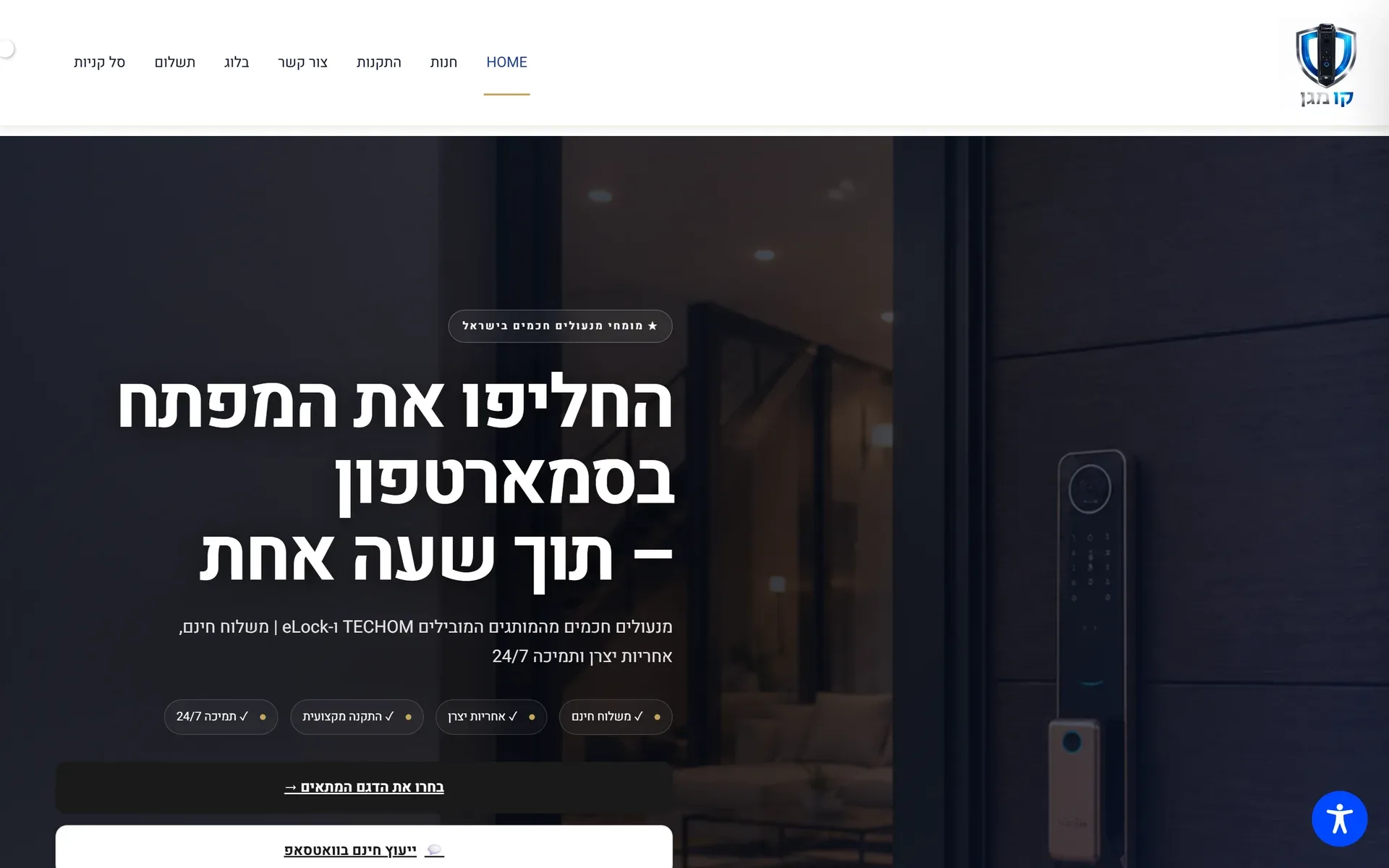
Compare an industrial manufacturer, a SaaS product and a Hebrew ecommerce store in our portfolio — three different audiences, three different designs, one standard of clarity.
Do you use templates?
No. We design for your content and market. Templates optimize for the seller of the template, not for your customer.
Can you redesign my existing site?
Yes — redesigns are one of the most common projects we take. We keep what works (including your search rankings, via correct redirects) and rebuild what doesn't.
Will I see the design before it's built?
Yes. You review and approve the direction before full build-out, and you see the real site on a private link as it takes shape.
What do you need from me to start?
Your business reality: what you sell, who buys it, what makes you different, and any content you already have. You do not need to arrive with sitemaps or design opinions — extracting the right structure from those raw materials is the first thing we do.
Desktop or mobile first?
Mobile first, always — for most businesses the majority of first visits happen on a phone. Desktop then gets designed as the expanded version rather than mobile being the cramped one.
Related services
Start with a design that sells.
Tell us what your business does and what you need your website to achieve.